Android App Development
Native Android apps built with Kotlin and Jetpack Compose.
Android is the dominant platform in Armenia and across the wider region, which is where most of your users will be. We have been writing native Android apps since 2022 in Kotlin, the language Google itself recommends, with interfaces built in Jetpack Compose.
The defining challenge on Android is device diversity: thousands of models, wildly different screens and manufacturer-specific restrictions. A meaningful share of our engineering effort goes there, because the app has to run well on a cheap phone, not only on a new flagship.
Kotlin and Jetpack Compose
Every new project is written in Kotlin. Java still runs, but all of Google's newer tooling targets Kotlin first, and inherited Java code costs more to maintain over the years. Interfaces are built with Jetpack Compose, which cuts screen development time substantially and makes later changes cheap. We use the Android Jetpack stack throughout: Room for local storage, Coroutines for concurrency, WorkManager for deferred background jobs and Hilt for dependency injection. Visual design follows Material Design 3, so the app feels native to Android users rather than like a ported iOS screen.
Dealing with device fragmentation
iOS has a few dozen devices in circulation, Android has thousands, from budget five-inch phones to foldables and tablets. We build adaptive layouts so screens hold up at any size and density. We test not only on current flagships but on devices with weak processors and limited memory, because a large part of your audience is on exactly that hardware. We also watch battery consumption and the aggressive power-saving behaviour some manufacturers ship, which can silently kill background services and push notifications if the app is not built defensively.
Integrations and Google services
We integrate the Google ecosystem: Google Sign-In, Google Maps with routing and geofencing, Firebase Cloud Messaging for push, and Google Play Billing for subscriptions and in-app purchases. We add biometric authentication, QR and barcode scanning through ML Kit, and NFC where contactless payment or card reading is required. On payments we work with both local bank acquiring and international providers. The app always talks to your backend over a secured API with encrypted transport and token-based authentication.
Google Play and release management
We publish through Google Play Console under your company account, preparing the graphics, listing copy, data safety section and content rating. Google Play review is generally faster than Apple's, though a first submission can still take several days. We use internal and closed testing tracks plus staged rollouts, so a new version reaches a small percentage of users first and any regression can be halted before it spreads to your whole install base. Release notes and versioning are managed with you, not around you.
How we work
Brief and requirements
We agree the screen list, integrations and minimum supported Android version based on the devices your audience actually uses.
Material Design work
A prototype first, then visual design following Material Design 3 across the screen sizes you need to support.
Engineering in Kotlin
Two-week sprints. At the end of each one you receive an APK or an internal testing track link in Play Console.
QA and release
We test across real device models, then publish to Google Play with a staged rollout.
Technology
- Kotlin
- Jetpack Compose
- Android Studio
- Room
- Coroutines
- Firebase
- Google Play Billing
- Material Design 3
Selected work
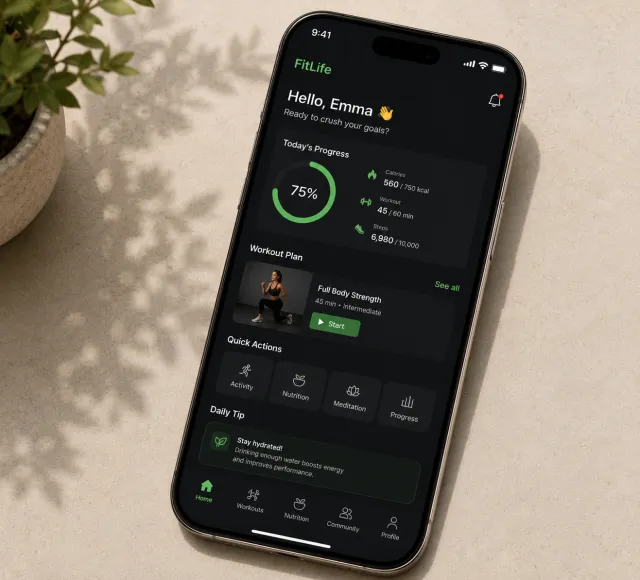
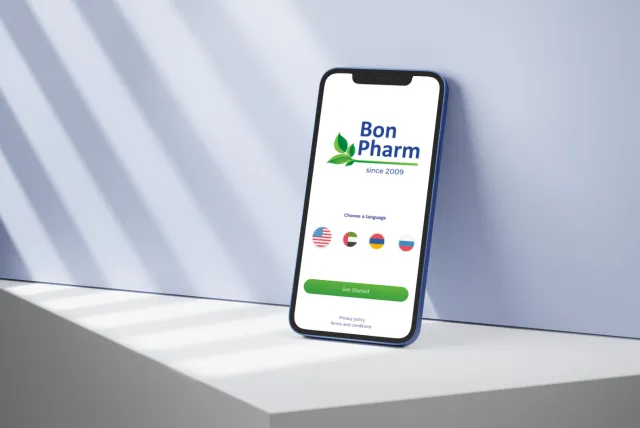

Frequently Asked Questions
How long does an Android app take to build?
A straightforward app takes 6–9 weeks, a mid-complexity business app 10–14 weeks. Google Play review is usually quicker than the App Store, although a first-time submission from a new developer account can take several days.
Which Android versions do you support?
We typically support releases from roughly the last five to six years, which covers the overwhelming majority of active users. The exact cut-off is set from your existing analytics or from the device profile of your target audience.
Will the app run well on budget phones?
Yes, and we test for it deliberately. We check performance on devices with slow processors and limited RAM, and we keep an eye on app size and battery drain, because budget hardware makes up a very large share of Android users in Armenia and the region.
Kotlin or Java?
Kotlin for anything new. It is what Google recommends and where all new tooling lands first. We do continue to maintain existing Java apps, and can migrate them to Kotlin incrementally without pausing feature work or forcing a full rewrite.
Do you handle publishing to Google Play?
Yes. We set up Google Play Console under your company account, prepare the store graphics and description, complete the data safety declaration and take the app through review. The developer account stays with you throughout.
Can you take over an existing Android app?
Yes. We start with a code audit and give you a written assessment of what can be built on and what would be cheaper to rewrite, with effort estimates for both. You decide which route to take before any development begins.
This service by region
Other services
- Website Development
- Mobile App Development
- iOS App Development
- React Native Development
- Flutter Development
- E-commerce Development
- Custom Software Development
- UI/UX Design
- Web Application Development
- SaaS Development
- Backend Development
- API Integrations
- Maintenance and Support
- Website Programmer
- Mobile App Programmer
- Freelance Developer
- Hire Software Developers
- Software Development Company
- IT Outsourcing & Outstaffing
- SEO Services
- Outsourcing to Armenia
Request a quote
codeorigins.info@gmail.com | +374 94 14 90 60
Request a quote